

Choosing an aged care home in Brisbane involves more than finding an available room. You want a home that can meet your loved one’s care needs, respect their preferences and make it practical for family and friends to visit.
This guide explains how to choose an aged care home in Brisbane, including what to look for during tours, which questions to ask and how to compare your shortlist. Whether you are looking close to home or considering options across South East Queensland, these steps can help you make a more informed decision.
1. Start With Your Loved One’s Priorities
Before searching for homes, have a conversation about what matters to the person moving into care. Involve them in discussions and decisions as much as possible.
Separate your list into essential needs and personal preferences. For example, support with mobility may be essential, while access to a garden or space for familiar furniture may be a preference.
Consider the routines and connections that make everyday life enjoyable. Does your loved one prefer quiet surroundings or a more social environment? Are language, cultural traditions or religious practices important to them?
Writing these priorities down gives your family a shared starting point when comparing homes.
2. Confirm That the Home Can Meet Their Care Needs
For government-funded residential aged care, an aged care assessment determines eligibility and approved support. My Aged Care recommends having your Notice of Decision and support plan available when discussing your needs with providers.
Ask each home to explain how it would support your loved one’s particular circumstances, including any changing needs.
Useful questions include:
- How would you support their mobility and personal care needs?
- What experience does your team have with their care requirements?
- How would you respond if their needs changed?
- Who would our family speak with about their care?
Ask for explanations that relate to your loved one, rather than relying only on a general description of the home’s services.
3. Consider Location and Family Visits
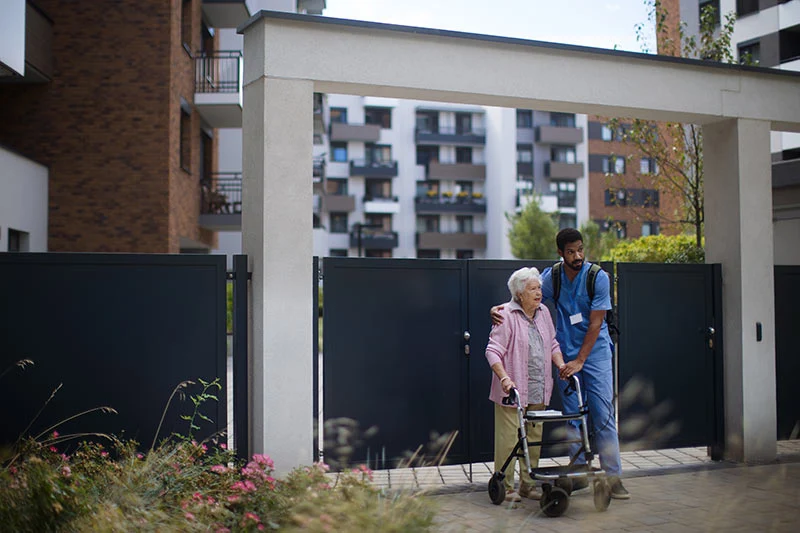
A convenient location can make it easier to maintain family connections after the move.
For families choosing an aged care home in Brisbane or South East Queensland, think about the journey visitors would make regularly. A home that looks close on a map may be less convenient during busy traffic periods.
Consider who is likely to visit most often, whether they drive and how the journey fits around work or other responsibilities. Familiar surroundings may also matter to the person moving into care.
Location should sit alongside care needs and personal preferences in your decision. Discuss the trade-offs as a family before narrowing your search.
4. Check Quality Information
My Aged Care’s Find a provider tool allows families to compare homes and view their Star Ratings.
The ratings cover four areas: Residents’ Experience, Compliance, Staffing and Quality Measures. These contribute to an Overall Star Rating.
Use this information to prepare questions for providers. For example, if something in a home’s rating needs clarification, ask the team to explain it.
Alongside published information, consider how well the home appears to match your loved one’s individual needs.
5. Visit Your Shortlisted Homes
A visit helps you move beyond photographs and brochures. We recommend touring shortlisted homes, preparing questions and taking notes. Bringing someone with you can help with remembering and comparing information afterwards.
Pay attention to the interactions you see. Do staff acknowledge residents and speak respectfully? Does your loved one feel included in the conversation?
Make space for their reaction after the visit. A family member may notice the furnishings first, while the person moving into care may be more concerned about privacy, noise or whether they feel welcome.
6. Ask About Everyday Life
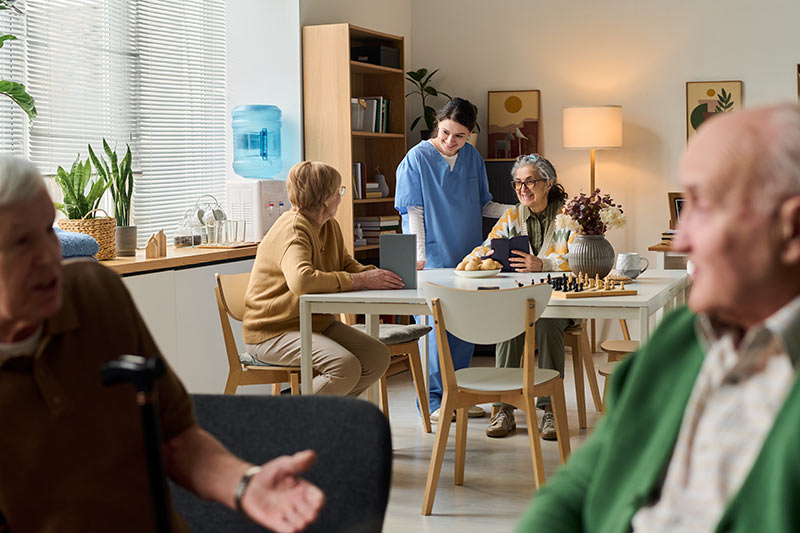
Try to picture an ordinary day in the home. The details of meals, activities and personal routines can help you understand whether it would be a comfortable fit.
Questions to ask aged care homes include:
- How do residents have a say in their daily routines?
- What choices are available at mealtimes?
- How are dietary, cultural and language needs supported?
- How do you learn about a new resident’s interests?
- What options are available for someone who prefers quieter activities?
- How can family and friends stay involved?
You should ask providers about individual needs, meals, activities and family involvement before choosing a home.
7. Get Clear Information About Costs
Before deciding, ask for a written explanation of the proposed fees, accommodation costs and any optional services.
Check what is included, what could cost extra and which arrangements apply to your circumstances. Government guidance confirms that fees must be clearly recorded in the relevant agreements.
If you need help understanding affordability and your financial options, A Home’s aged care financial planning service can support this part of the decision.
Your Aged Care Home Checklist
After each visit, record your answers while the details are fresh.
| Area to compare | What to record |
|---|---|
| Care needs | How the home would support your loved one |
| Personal preferences | Which priorities it meets |
| Location | How practical regular visits would be |
| Communication | Whether answers were clear and specific |
| Everyday life | Routines, meals and activities discussed |
| Costs | Written information received and questions remaining |
| Your loved one’s view | What felt comfortable and what concerned them |
When Can an Aged Care Placement Consultant Help?
If you are unsure where to start or finding the search difficult to manage, practical assistance can help you work through the options.
A Home provides aged care placement support in Brisbane and South East Queensland, including shortlisting homes, liaising with providers, arranging tours and assisting with admission paperwork.
You can use placement support on its own or alongside financial planning.
To discuss your circumstances, contact A Home or call 1800 592 383.